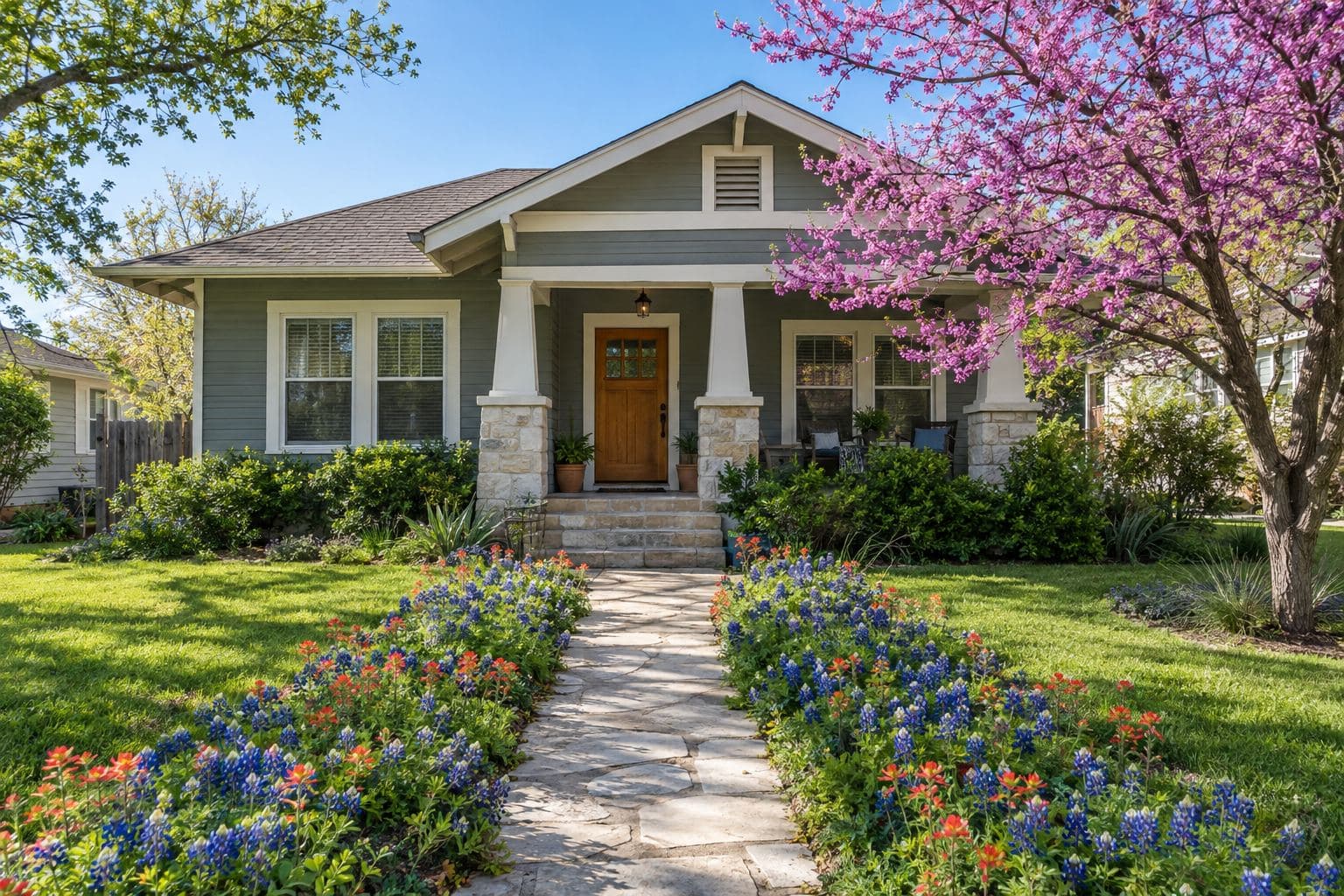

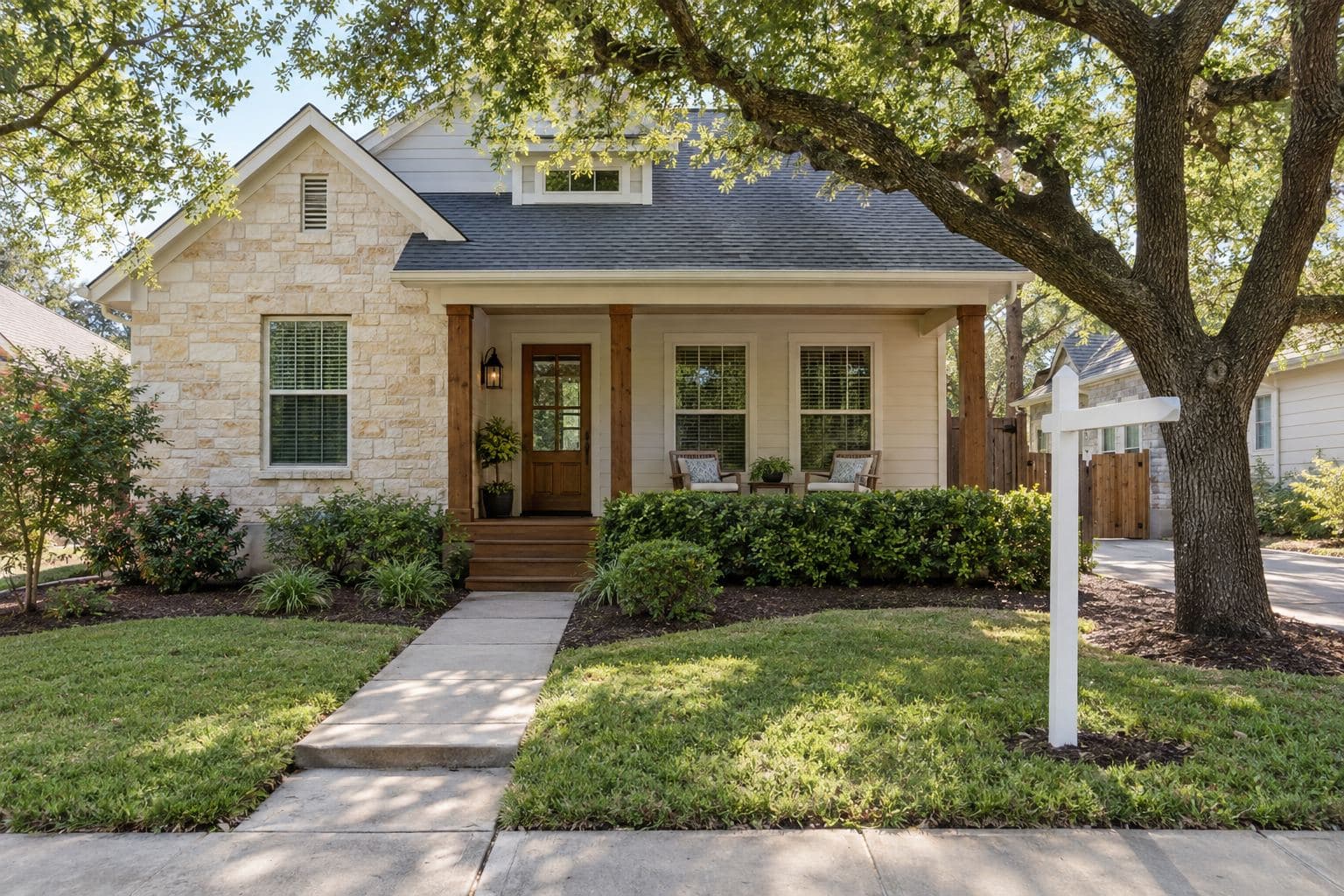
Selling a house in the Austin area in late 2026 usually takes longer than sellers remember from 2021 or 2022. Austin-area listings had a median of 80 days on market in September 2026, and the full process — preparation, marketing, contract and closing — adds several more weeks on either side. This guide breaks the timeline into its stages, shows what the current data says about each one, and lists the decisions that shorten or lengthen it.
By Joseph Stancil, REALTOR® since 2012, Paragon Realty Group, brokered by eXp Realty, LLC (TREC broker license #603392). Texas Sales Agent License #760204.
The short answer: what the September 2026 numbers show
Three public data sets describe the current Austin resale market:
- Time on market. The median Austin–Round Rock listing spent 80 days on market in September 2026, up from 73 in August and 51 in April, according to Realtor.com data published by the Federal Reserve Bank of St. Louis (FRED).
- Supply. The metro had 5.4 months of inventory in September 2026, with 13,465 active listings and 2,223 closed sales, a 14.8% year-over-year drop in sales, according to the Unlock MLS September 2026 Central Texas Housing Report.
- Pricing pressure. Homes closed at an average of 92.7% of list price across the metro in September 2026 (92.5% in the City of Austin), per the same Unlock MLS report. About 4,986 of roughly 12,083 tracked Austin-area listings had a price reduction that month, based on FRED's price-reduction and active-listing series.
Financing costs are part of the picture. Freddie Mac's Primary Mortgage Market Survey put the average 30-year fixed rate at 7.18% for the week of November 5, 2026, which narrows the buyer pool at every price point.
Put together: a realistic plan for a typical Austin-area home is 2–6 weeks of preparation, a marketing period that may run near the 80-day median (shorter if priced to the closed comparables, longer if not), and a contract-to-close period that depends on the buyer's financing and the dates written into the contract.
Stage 1: Preparation (about 2–6 weeks)
Preparation is the stage you control most. It usually includes:
- A pricing analysis based on closed sales, not active listings. Active listings show what sellers hope for; closed sales show what buyers paid. Our home valuation request starts there.
- Repairs and pre-listing inspection. Fixing known defects before listing reduces the chance of renegotiation during the buyer's option period.
- Seller's Disclosure Notice. Texas sellers of most residential property must deliver the disclosure required by Texas Property Code §5.008. Gathering permits, survey, HOA documents and utility-district information early prevents delays later.
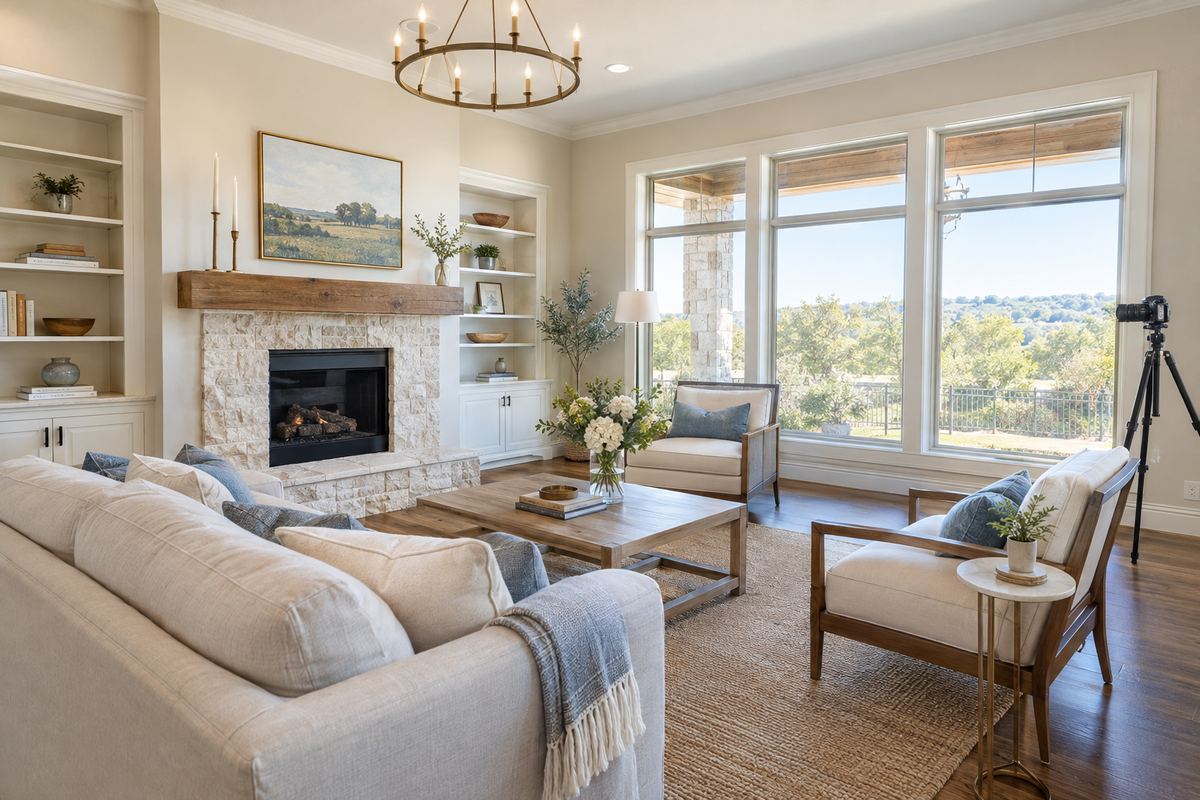
- Staging and photography. Most buyers start their search online, so the listing photos are the first showing.
Stage 2: On the market (median about 80 days in September 2026)
Time on market depends mostly on three things: price relative to closed comparables, condition, and season.
- Price. With metro homes closing at about 92.7% of list price, an aggressive list price usually means a later price reduction, and listings that sit tend to sell for less. Pricing to the closed comparables at launch is the most reliable way to shorten this stage.
- Season. Austin's median days on market has been lowest in March through May and highest in December and January in each year from 2023 through 2026, per FRED's Austin series. Our guide to the best time to sell a home in Austin covers the seasonal pattern month by month.
- Location and property type. Close-in neighborhoods such as Tarrytown or Mueller behave differently from suburban new-construction areas in Leander or Kyle, where builders compete with resale homes on price and incentives. Acreage and ranch properties usually take longer; our ranch and land guides explain the extra due diligence buyers perform.
Stage 3: Under contract to closing
Once you accept an offer on the Texas Real Estate Commission (TREC) One to Four Family Residential Contract, three dates drive the rest of the timeline:
- Option period. If the buyer pays an option fee, they have an unrestricted right to terminate for the number of days written in the contract. Inspections and repair negotiations happen here.
- Financing. Most financed contracts use the TREC Third Party Financing Addendum, which sets the deadline for the buyer's loan approval. Appraisal and underwriting happen in this window.
- Closing date. The contract states it. For financed purchases, federal rules require the lender to deliver the Closing Disclosure at least three business days before closing, per the Consumer Financial Protection Bureau, so last-minute loan changes can push the date.
Cash buyers can often close faster because there is no appraisal contingency or underwriting. National data shows a meaningful share of buyers pay cash: 30% of repeat buyers and a record 10% of first-time buyers were all-cash, according to the National Association of REALTORS® 2026 Profile of Home Buyers and Sellers.

What lengthens an Austin sale
- Pricing above the closed comparables. The most common cause of a long listing.
- Repairs discovered during the option period, especially foundation, roof, plumbing and HVAC items.
- Appraisal gaps when the contract price is above the lender's appraised value.
- Title issues: unreleased liens, boundary or survey questions, or probate on inherited property.
- Utility district, HOA or flood-zone questions that the buyer's lender or insurer needs resolved. You can check a property's flood zone on the FEMA Flood Map Service Center.
What shortens it
- Pricing to closed sales from day one.
- Completing repairs and gathering documents before listing.
- Listing in late winter or spring when buyer activity is highest.
- Accepting a well-qualified buyer with a short option period and a realistic financing deadline.
- Responding quickly to buyer and lender requests once under contract.
Planning your sale
If you're deciding when to list, start with a closed-sale pricing review and a calendar that works backward from the date you need to move. Our seller services page outlines how we prepare and market homes, and you can request a home valuation for a specific address. If you're also buying, our buyer services page covers how to coordinate the two transactions.
Joseph Stancil, TX License #760204, Paragon Realty Group, brokered by eXp Realty, LLC, TX Broker License #603392. General information, not legal, tax or financial advice. Market figures are as reported by the cited sources on the dates shown and change monthly. Images are AI-generated illustrations, not photos of specific properties.

Joseph Stancil
Founder & Supervising Agent | Paragon Realty Group
Joseph Stancil brings over 13 years of Austin real estate expertise to every article in The Paragon Chronicle. His market analysis draws on proprietary data, direct transaction experience, and deep relationships throughout Austin's luxury communities.