

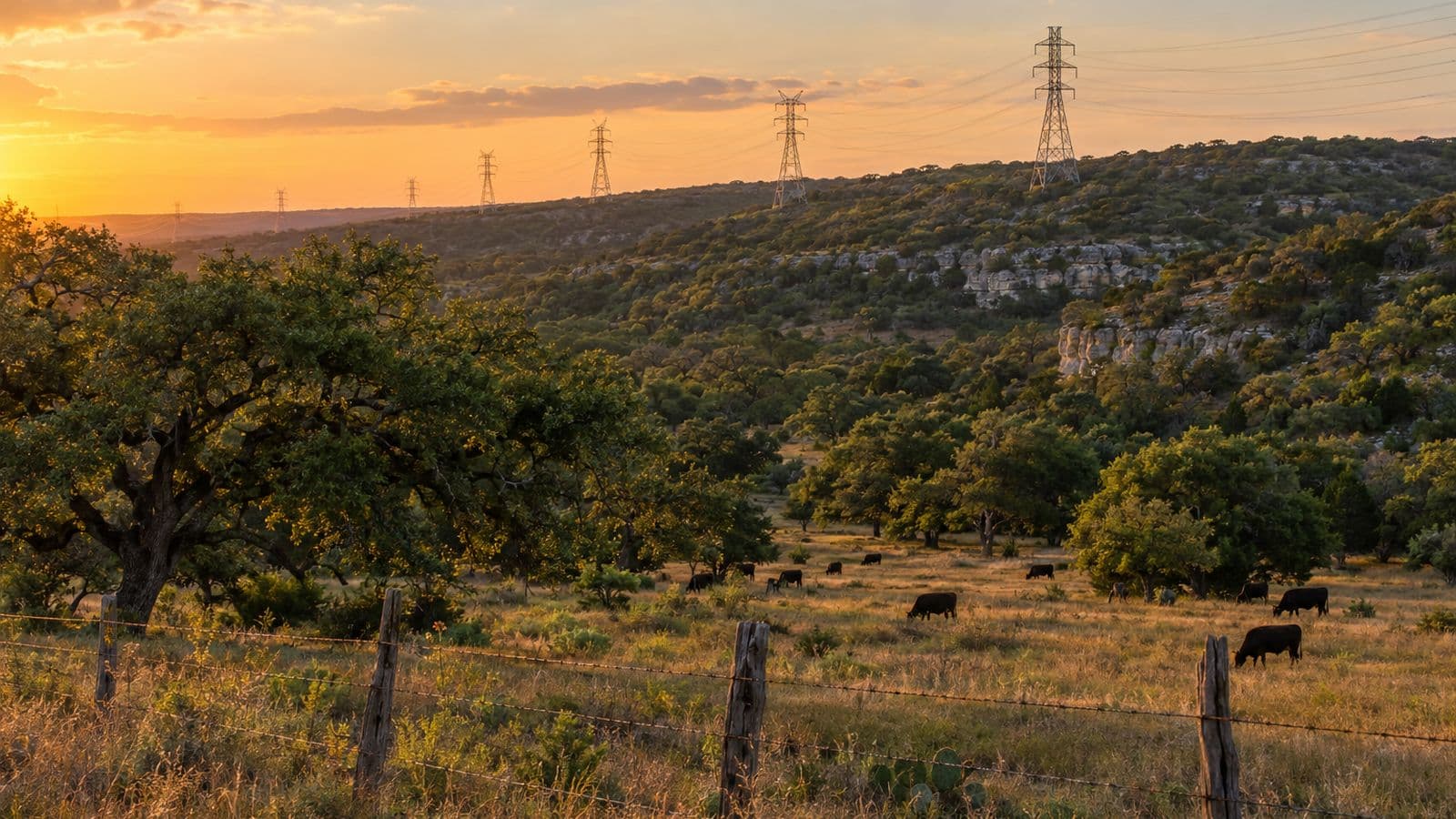
A power line or pipeline easement lets a utility use a strip of your ranch, usually for good. Texas eminent domain lets it take that strip for pay if talks fail.
By Joseph Stancil, REALTOR® since 2012, Paragon Realty Group, brokered by eXp Realty, LLC (TREC broker license #603392). Texas Sales Agent License #760204.
What an easement takes, and what stays yours
An easement is a recorded right for someone else to use part of your land for a stated purpose. You still own the dirt. You keep paying taxes on it, and you can usually still graze, hunt or cross it. What you give up is set out in the instrument: where the strip runs, how wide it is, what the company may build, when its crews may enter, and what you may not do inside the strip.
For a ranch, the practical effects tend to show up in a few places:
- Surface use. Building sites, ponds, roads and tree lines inside the strip may be limited or barred.
- Access. Crews may need to come through your gates. The instrument should say which routes they use.
- Fences and gates. Construction may cut fences. Good instruments spell out repair and who pays.
- Duration. Most utility easements have no end date, and they bind every later owner.
That last point is why a buyer cares. The easement a seller signed in 1985 is still on the land when you close.
Howard-Solstice: a live example in the Hill Country
The clearest current example is the Howard-Solstice 765-kV transmission line. CPS Energy's project page describes it as about 370 miles of new line from CPS Energy's Howard Road Station in Bexar County to AEP Texas's Solstice Station in Pecos County. It is part of the state's Permian Basin Reliability Plan, which the PUC, the state's utility regulator, tracks on its Permian Basin page.
The record, from CPS Energy and the utilities' filings in PUC Docket 59336:
| Milestone | Date |
|---|---|
| PUC approves the 765-kV option for the Permian plan | April 24, 2025 |
| Joint application filed, with 77 alternative routes | March 2, 2026 |
| Deadline for landowners to intervene | April 1, 2026 |
| Hearing on the merits at the State Office of Administrative Hearings | May 19-22, 2026 |
| PUC open meeting vote | September 11, 2026 |
| Final order adopting Route 4-Mod 1 | September 18, 2026 |
| Landowner meetings along the approved route | Fall 2026 |
| Construction planned to start | May 2028 |
| Targeted in service | About 2030 |
The counties named in the utilities' notice are Atascosa, Bandera, Bexar, Crockett, Edwards, Kerr, Kinney, Medina, Pecos, Real, Sutton, Terrell, Uvalde and Val Verde. Texas Business reported on Nov. 18 that the line runs across 14 counties, uses steel towers 130 to 180 feet tall, and is due to start construction in May 2028. The Texas Tribune's coverage of the Sept. 11 vote noted that commissioners told the utilities to keep working with landowners on route changes.
Two details matter for anyone who owns or is buying land on the route. AEP Transmission's project page lists a typical right-of-way width of 200 feet and says the exact width may vary. It also says AEP Texas and CPS Energy are holding landowner meetings this fall. And as of FactSet's Nov. 19 status report, motions for rehearing on the line were still pending. The route is approved, but the docket is not fully closed.
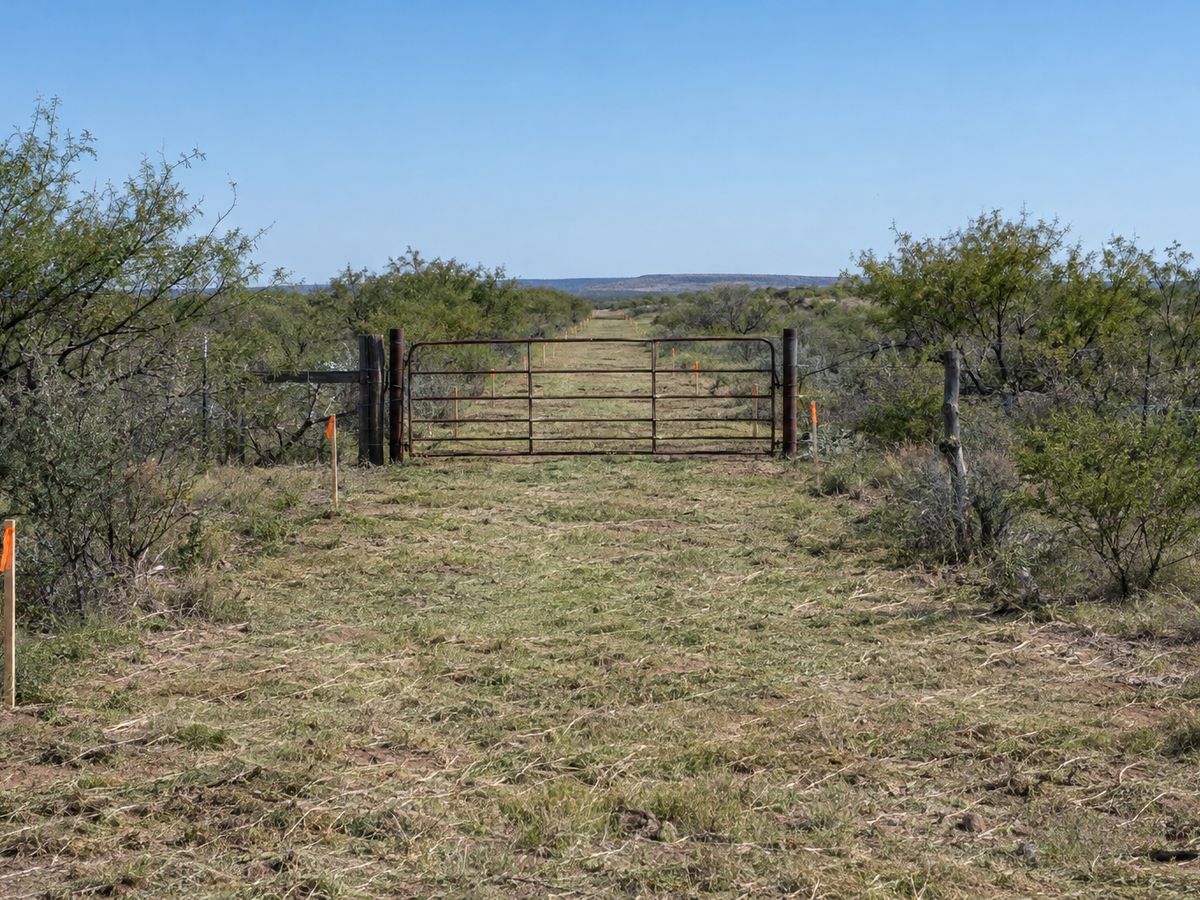
The Texas eminent domain clock, step by step
The PUC decides whether a line is needed and where it goes. It does not set the price. The PUC's landowner brochure says plainly that it "does not determine the amount of money to be paid to landowners for easements." After the route is set, the company negotiates with each owner. If talks fail, Texas Property Code chapter 21 controls what happens next.
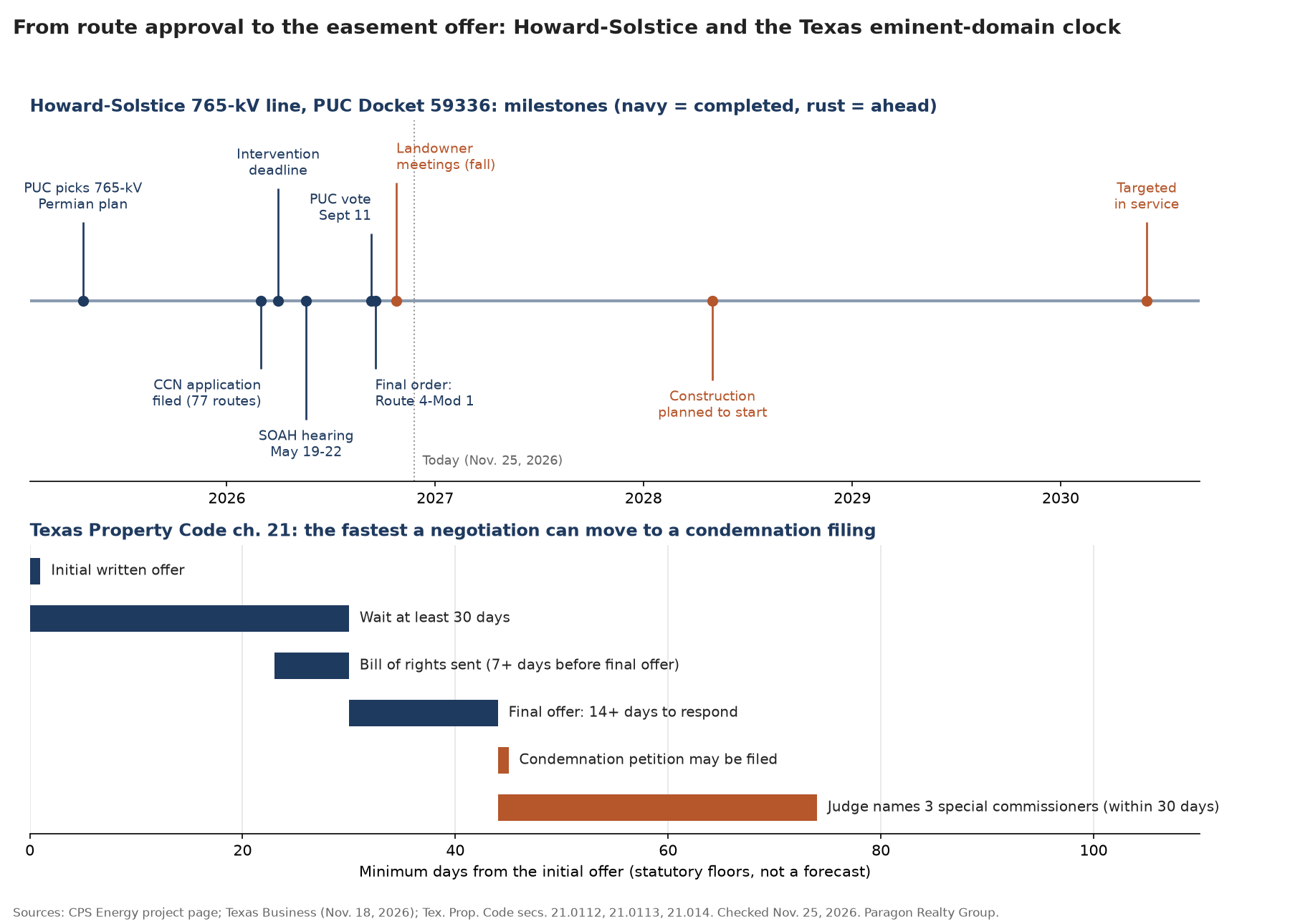
Here is the order of events the statute requires:
- Initial written offer. It must include the Landowner's Bill of Rights and a bold statement of whether the offer includes damages to the rest of your land. It must also include the proposed easement document and a contact person.
- A wait of at least 30 days. The final offer cannot come sooner.
- A certified appraisal. Before the final offer, the company must get a written appraisal from a certified appraiser. The final offer must equal or exceed it, and a copy must be provided to you.
- At least 14 days to decide. You have at least two weeks to answer the final offer.
- A petition in court. Only then may the company file to condemn. It must say it made a bona fide offer.
- Special commissioners. Within 30 days the judge appoints three local landowners to hear evidence and set compensation. Each side may strike one.
- Objection and trial. If either side objects by the deadline, the case goes to court like any other civil suit.
The statute also cuts both ways on appraisals. The company must disclose appraisals of your property from the past 10 years with its offer. If you rely on your own appraisal, you must share it too. If a court finds the company skipped the bona fide offer, it must pause the case and order a proper offer, and the company pays your related fees.
Rights the bill of rights puts in writing
Every entity with eminent domain power must hand you the Texas Attorney General's Landowner's Bill of Rights. The current version is dated November 2025. A few of its 11 points deserve a second read:
- Your land may be condemned only for a public use, and only by an entity the law authorizes.
- You may hire your own appraiser and your own attorney.
- You may file a complaint with TREC if a registered easement or right-of-way agent acts improperly.
- You are entitled to a hearing before three special commissioners, and then to a trial by judge or jury if you disagree.
The document has addenda that list required terms for electric transmission and pipeline easements. For power lines, those terms cover surface uses, a map or legal description of the strip, restoration of contours, and whether the rights are exclusive. It ends by noting that it is not legal advice. Treat it as a checklist to take to your lawyer, not a substitute for one.
Pipelines follow a parallel track
Pipelines are not routed through the PUC. Under Natural Resources Code section 111.019, common carriers "have the right and power of eminent domain" for pipeline rights-of-way. The chapter 21 steps above still apply once a pipeline company moves to condemn.
What changes is where you look and which addendum applies:
| Question | Electric transmission line | Pipeline |
|---|---|---|
| Who approves the route | PUC, through a certificate case | No PUC route case for common carriers |
| Source of condemnation power | Utility statutes plus Property Code ch. 21 | Natural Resources Code 111.019 plus ch. 21 |
| Where to check records | PUC Interchange by docket number | RRC public GIS viewer |
| Required easement terms | Bill of Rights Addendum B | Bill of Rights Addendum A |
The pipeline addendum asks for details a rancher will want pinned down, such as the maximum number of pipelines in the strip and the kinds of above-ground equipment allowed.
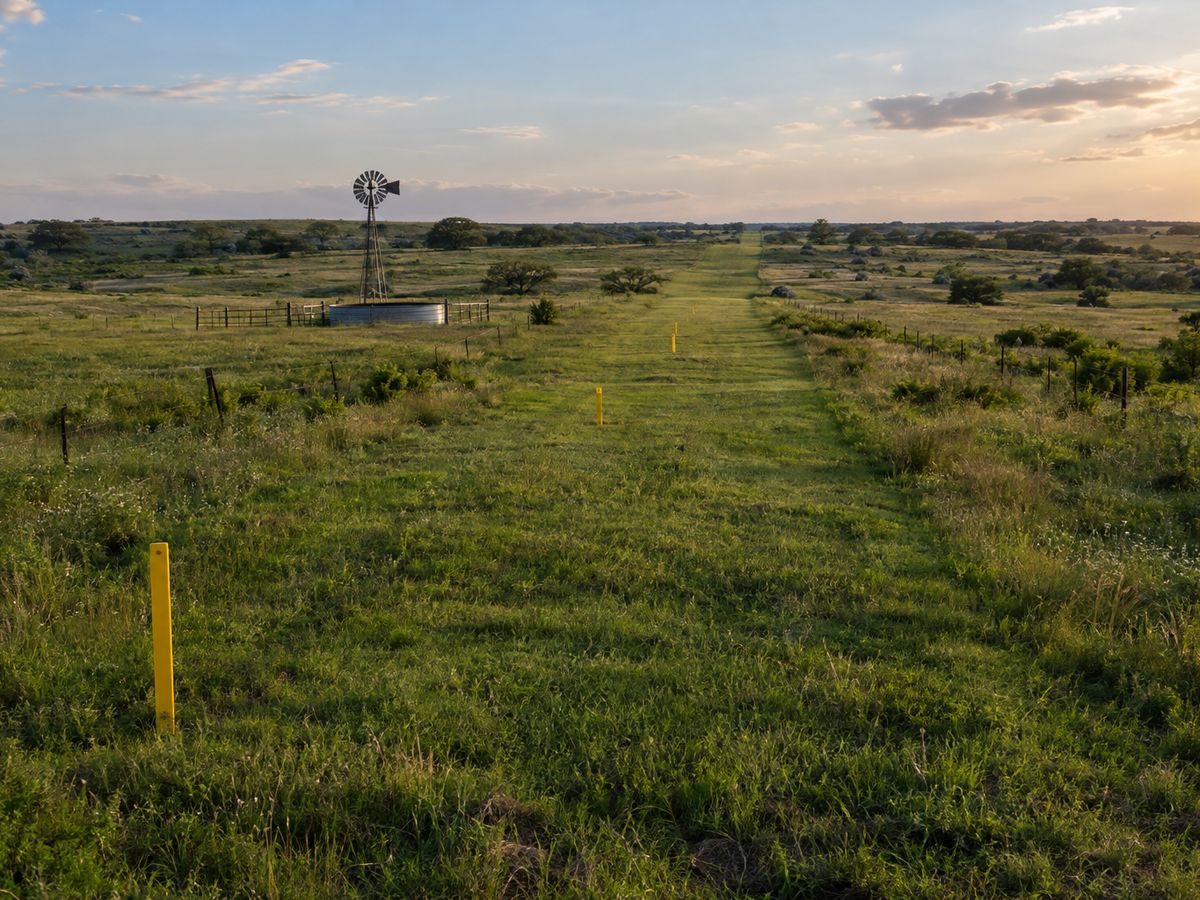
Due diligence when you buy land near a line
Most of this is ordinary land due diligence. A corridor just raises the stakes. Our ranch and land page covers the wider buying process. For easements specifically, work through these items before your objection deadline:
Read Schedule B of the title commitment. The Texas Department of Insurance's title insurance FAQ explains that items in the commitment can become exceptions under Schedule B, and exceptions are not covered by the policy. Every recorded easement should appear there. Ask the title company for copies of each instrument, not just the one-line summary.
Get a survey that plots each easement. A recorded easement is only useful if you know where it sits. Have the surveyor locate every Schedule B easement and show it on the plat, along with any visible lines, poles, markers or cleared strips.
Search pending cases, not just recorded ones. A route that is approved but not yet bought will not show up in the county records. Search PUC Interchange for certificate cases in the county, and check the utility's project page. For Howard-Solstice, that means Docket 59336 and the CPS Energy and AEP maps.
Ask the seller in writing. Request any notice letters, offers, appraisals or draft easements the seller has received from a utility or pipeline company. Notices go to the owner of record, so a buyer can miss a live case unless the seller hands it over.
Plan the land around the corridor. On a hunting tract, a cleared strip can change how game moves and where blinds and feeders make sense. Our Texas hunting ranches guide covers that side. If the land carries an agricultural valuation, confirm with the appraisal district how a taking would be treated. Our ag exemption explainer walks through how that valuation works. In South Texas, pipelines and oil field activity are common. Our South Texas ranch guide adds water and mineral questions to the list.

Questions to take to a real estate attorney
I am not a lawyer, and nothing here is legal advice. If you own land on a route or are about to buy some, a Texas real estate or condemnation attorney can review your specific instrument. Questions worth bringing:
- Does the proposed easement say exclusive or nonexclusive, and can I put my own road or water line across it?
- Which gates will crews use, and who repairs fences and restores the ground?
- Does the offer include damages to the rest of my property, as chapter 21 requires it to state?
- Can the company add more lines or larger equipment later without a new agreement?
- If I am under contract to buy, how should the contract handle a pending offer or condemnation?
The Texas State Law Library's eminent domain guide is a free place to read more before that meeting. If you are weighing a ranch on or near a corridor, contact me and I can help you gather the title, survey and docket records before you commit.
Frequently asked questions
Can a utility put a power line on my Texas ranch without my consent?
Yes, if the PUC has approved a route across your land and talks fail. An electric utility on an approved route may use eminent domain. It must first make a written initial offer, wait at least 30 days, get a certified appraisal, and give you at least 14 days to answer a final offer. Only then may it file in court. Three special commissioners then set compensation, and either side may object and take the case to trial before a judge or jury.
Does the PUC decide how much I am paid for an easement?
No. The PUC decides need and route, not compensation. Its landowner brochure states that it does not set the amount paid for easements. The company negotiates directly with each owner. If you cannot agree, the amount is decided by three court-appointed special commissioners, and then by a judge or jury if anyone objects. You may hire your own appraiser and attorney, and the company must share its appraisals of your land from the past 10 years when it makes an offer.
How wide is the Howard-Solstice transmission line right-of-way?
AEP lists a typical width of 200 feet, though it may vary. That figure comes from AEP Transmission's Howard-Solstice project page, which notes that the exact height and right-of-way needs depend on terrain and other factors. Your actual strip will be defined in the easement instrument the utility offers you, with a map or legal description. Have a surveyor plot it against your fences, roads, tanks and building sites before you sign anything or close on a purchase.
Will a title commitment show a planned transmission line route?
Usually not, if no easement has been recorded yet. Schedule B lists recorded instruments, so an approved route the utility has not yet bought may not appear. That is why buyers should also search PUC Interchange for certificate cases in the county and check the utility's own project maps. Ask the seller in writing for any notice letters, offers or draft easements. A seller who received notice in a case is often the only source of that paper trail.
Do pipeline companies in Texas also have eminent domain power?
Yes. Common carrier pipelines have it under Natural Resources Code section 111.019. They follow the same Property Code chapter 21 steps as utilities, including the bona fide offer, the Landowner's Bill of Rights and special commissioners. Pipelines are not routed through a PUC certificate case, so check the RRC's public GIS viewer, run by the state's oil and gas regulator, for mapped lines near a tract. The bill of rights includes an addendum listing required terms for pipeline easements, such as the maximum number of pipelines.
Should I hire an attorney before signing an easement offer?
It is worth a consultation before you sign. An easement usually lasts forever and binds every later owner, so its terms matter more than the first check. A real estate or condemnation attorney can review exclusivity, access, fence repair, restoration and damages to the rest of your land. The Landowner's Bill of Rights confirms you may hire an attorney and your own appraiser. Many owners also check the Texas State Law Library guide before that first meeting.
Joseph Stancil, TX License #760204, Paragon Realty Group, brokered by eXp Realty, LLC, TX Broker License #603392. General information, not legal, tax or financial advice. Every easement, route and condemnation case is different; consult a Texas real estate attorney about your property before you sign an easement or a purchase contract. Paragon Realty Group makes no claim about how an easement or transmission line affects any property's value. Sources: CPS Energy, Howard-Solstice Transmission Project page and notice letters (PUC Docket 59336); AEP Transmission, Howard-Solstice project page; PUCT, "Landowners and Transmission Line Cases at the PUC" brochure and Permian Basin page; Texas Property Code chapter 21; Texas Natural Resources Code section 111.019; Office of the Attorney General of Texas, Landowner's Bill of Rights (November 2025); Texas Department of Insurance, title insurance FAQ; RRC (Texas oil and gas regulator), Public GIS Viewer; Texas State Law Library, eminent domain guide; Texas Business, November 18, 2026; Texas Tribune, September 11, 2026; FactSet Insight, November 19, 2026. All sources accessed November 25, 2026. Paragon Realty Group is not affiliated with CPS Energy, AEP Texas, the PUC, ERCOT or any pipeline company. Illustrations are AI-generated and do not show an actual property or route.

Joseph Stancil
Founder & Supervising Agent | Paragon Realty Group
Joseph Stancil, first licensed in real estate in 2012 and in Texas since 2021, writes every article in The Paragon Chronicle. His market analysis draws on proprietary data, direct transaction experience, and deep relationships throughout Austin's luxury communities.