
Austin buyers in late 2026 have more listings to choose from and more room to negotiate than sellers may expect, and that changes what they look for. With 5.4 months of inventory and mortgage rates above 7%, buyers are comparing total monthly cost, condition and location more carefully than list price alone. This guide uses current national and Austin data to show who is buying, what they are weighing, and how sellers and buyers can use that information.
By Joseph Stancil, REALTOR® since 2012, Paragon Realty Group, brokered by eXp Realty, LLC (TREC broker license #603392). Texas Sales Agent License #760204.
Who is buying in 2026
The National Association of REALTORS® 2026 Profile of Home Buyers and Sellers, released November 5, 2026, covers primary-residence purchases from July 2025 through June 2026:
- First-time buyers were 22% of purchases, with a median age of 40 and a 9% median down payment. A record 10% paid all cash.
- Repeat buyers were 78% of purchases, with a median age of 62, a 19% median down payment, and 30% paying all cash.
- Households: 26% of buyers had children under 18 at home, and 14% bought a multigenerational home.
- Sellers had owned their homes a median of 12 years, an all-time high, and moved a median of 30 miles.
Jessica Lautz, Deputy Chief Economist and Vice President of Research at the National Association of REALTORS®, commented on the findings in NAR's release. The takeaway for Austin: buyers in this market skew older and more equity-rich than the first-time buyers who dominated 2020–2021, and many are trading homes they have owned for a decade or more.
What the Austin market looks like to a buyer right now
- Prices: the metro median was $421,000 in September 2026 and the City of Austin median was $570,958, according to the Unlock MLS September 2026 Central Texas Housing Report. Travis County's median was $497,400 and Williamson County's was $395,000.
- Choice: 13,465 active listings and 5.4 months of inventory across the metro, per the same report.
- Negotiating room: homes closed at an average of 92.7% of list price, and about 4,986 of roughly 12,083 tracked listings had a price reduction in September, based on FRED's price-reduction and active-listing series.
- Financing: the average 30-year fixed rate was 7.18% for the week of November 5, 2026, according to Freddie Mac.
What buyers are weighing
1. Total monthly cost, not just price
At current rates, buyers focus on the full payment: principal and interest, property taxes, insurance, HOA dues and, in many suburbs, municipal utility district (MUD) taxes. Texas has no state income tax, but property tax rates vary widely by city, school district and special district; the Texas Comptroller's property tax resources explain how rates are set. Our mortgage calculator lets you test a payment for a specific price.
2. Condition and move-in readiness
With more listings to choose from, buyers can pass on homes that need significant work, or price that work into their offer. Pre-listing repairs and a clear Seller's Disclosure Notice under Texas Property Code §5.008 reduce renegotiation during the option period.
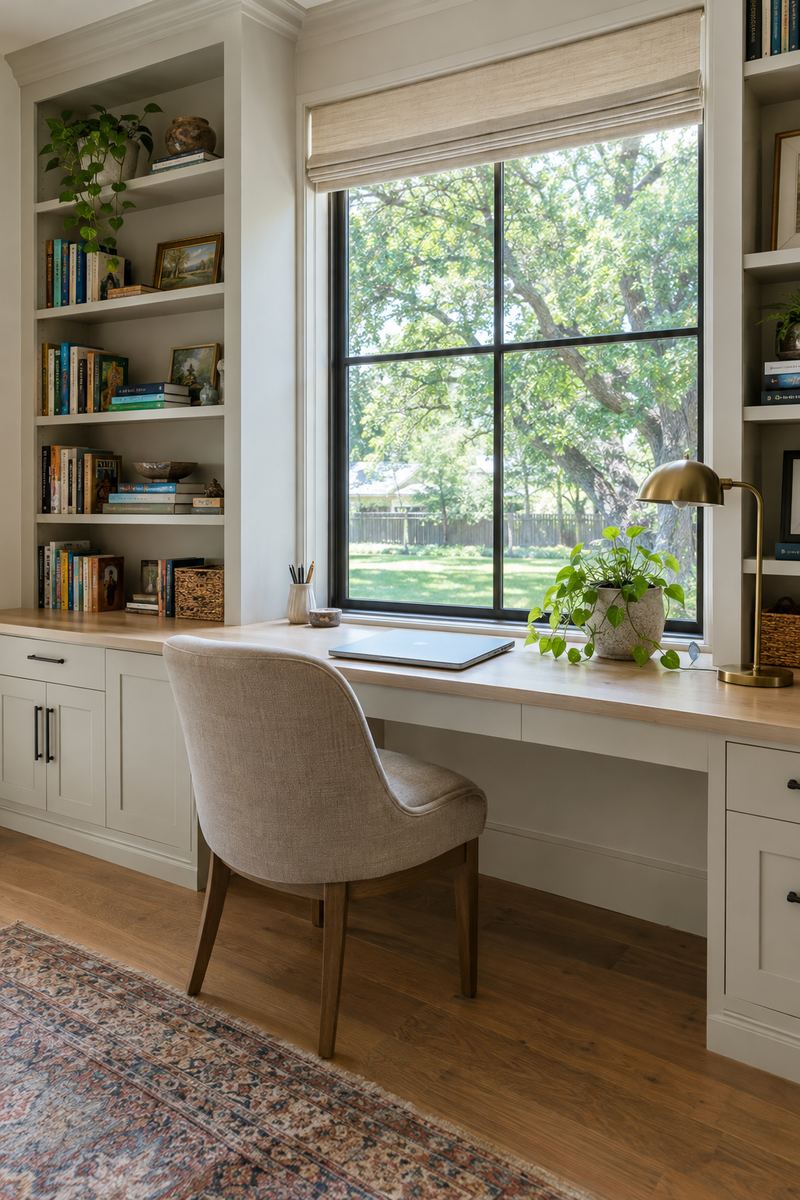
3. Space that fits how the household lives
With more than a quarter of buyers raising children and 14% buying multigenerational homes, per NAR's 2026 profile, flexible rooms matter: a guest suite, a dedicated office, or a bedroom on the main floor. Buyers should check that every room counted as a bedroom meets local code for egress.
4. Location: commute, schools and family
The top reason sellers gave for moving was to be closer to friends and family (22%), according to NAR. In Austin, buyers typically weigh:
- Close-in neighborhoods such as Tarrytown, Hyde Park and Mueller, with shorter commutes and smaller lots.
- Lake and Hill Country communities such as Steiner Ranch, Lakeway and Dripping Springs, with more space and longer drives.
- Growing suburbs such as Leander, Georgetown and Kyle, where new construction competes with resale.
School assignment should always be verified by address with the district, because attendance boundaries change. The Texas Education Agency publishes district and campus information.
5. Outdoor space and climate resilience
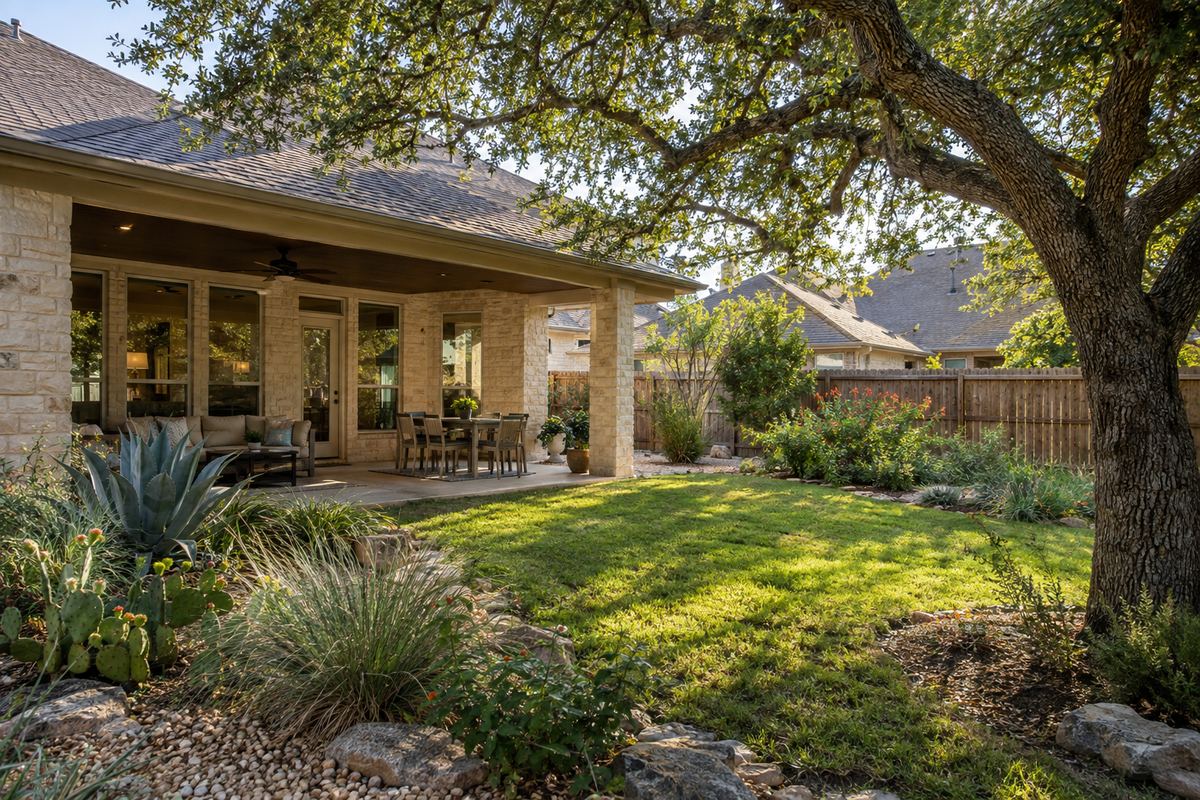
Central Texas heat, drought and storms shape what buyers ask about: shade, covered patios, roof age, drainage and flood zone. Buyers can check any address on the FEMA Flood Map Service Center, and our Rural Land Rules Index covers well, septic and groundwater rules for acreage buyers.
What this means for sellers
- Price to closed sales. Buyers can see price reductions and days on market; overpricing invites low offers. Start with a home valuation.
- Fix what an inspector will find. Condition is easier to compare when inventory is high.
- Show the monthly cost. Have tax, HOA and utility-district figures ready for buyers.
- Time the launch. Austin homes have sold fastest from March through May each year since 2023; see our guide to the best time of year to sell a home in Austin.
What this means for buyers
- Get pre-approved and test payments at today's rate before touring.
- Use the negotiating room. With homes closing near 93% of list price on average, repair credits and closing-cost help are common requests.
- Verify by address: school assignment, flood zone, taxes, HOA and utility district.
Our buyer services and seller services pages explain how we help on each side, or contact Paragon Realty Group about a specific home or neighborhood.
Joseph Stancil, TX License #760204, Paragon Realty Group, brokered by eXp Realty, LLC, TX Broker License #603392. General information, not legal, tax or financial advice. Market figures are as reported by the cited sources on the dates shown and change monthly. Images are AI-generated illustrations, not photos of specific properties.

Joseph Stancil
Founder & Supervising Agent | Paragon Realty Group
Joseph Stancil brings over 13 years of Austin real estate expertise to every article in The Paragon Chronicle. His market analysis draws on proprietary data, direct transaction experience, and deep relationships throughout Austin's luxury communities.